
Joints & injuries · 5 min read
Knee pain and lifting: training around arthritis
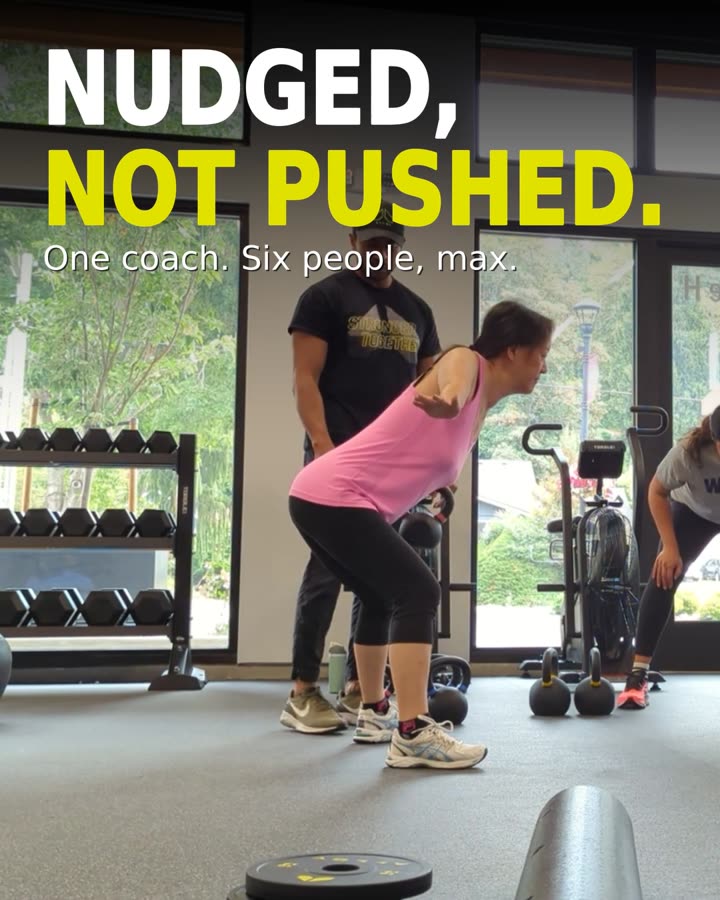
Yes, you can lift weights with knee arthritis, and for most people it helps. Research suggests exercise probably eases knee arthritis pain and improves how well you move. The trick is choosing exercises that work the muscles without aggravating the knee, and building up slowly. If you can, talk with your doctor before you start, as the CDC suggests. Here's how we think about it.
What the research says
The CDC says physical activity can help people with arthritis reduce joint pain and improve function and mood. It recommends that adults with arthritis aim for at least 150 minutes a week of moderate aerobic activity and at least two days a week of muscle-strengthening activity. Five or 10 minutes at a time counts toward that total.
A 2024 Cochrane review pulled together 139 trials with 12,468 people with knee osteoarthritis. It found low- to moderate-certainty evidence that exercise probably improves pain, physical function and quality of life in the short term. The improvements were modest on average, so exercise isn't a cure. But it's low-risk, and it's something you control.
Mayo Clinic makes a point we repeat often: consistency in your exercise is more important than intensity. It also suggests weight training at least two days a week.
Which muscles to train
For knee osteoarthritis, a Mayo Clinic physician points to strengthening the quadriceps (the front of the thigh) and the hamstrings (the back of the thigh). We add the hips and glutes, because they help control where the knee goes when you squat, step and walk.
Exercises that are often kind to sore knees:
- Sit to stand. Stand up from a chair and sit back down with control. A higher seat makes it easier.
- Glute bridges. Lie on your back with knees bent and lift your hips. It works the hips with little load on the knee.
- Low step-ups. Start with a step only a few inches high and hold a rail or wall.
- Hamstring curls with a band or machine. Work the back of the thigh in a range that feels comfortable.
- Side steps with a band. Work the outer hips, which help control the knee.
- Bike, elliptical or pool. The same Mayo Clinic piece suggests a stationary bike, an elliptical trainer or walking in a pool as more tolerable options if knee pain changes the way you walk.
Deeper squats and lunges may come later for some people, if your knee tolerates them. They're never the starting point.
How to tell good discomfort from a warning sign
The CDC notes that some pain, stiffness or swelling is normal when you start a new program, and that joint pain from activity should get better over time. Contact your health care provider if pain or other symptoms are severe. A few rules we use:
- Pick weights that don't hurt the joint. The CDC advises choosing weights or bands that do not cause joint pain, and increasing difficulty in small amounts.
- Sharp pain means stop. Mayo Clinic says sharp pain, or pain worse than your usual joint pain, might mean something is wrong.
- Check how the knee feels afterwards. According to Mayo Clinic, if pain gets worse or continues after exercise, you might be pushing too hard. Try shorter or less frequent sessions.
- Warm up first. Move your joints gently at first, as Mayo Clinic suggests. A warm shower or heat pack beforehand can also help, though not on a knee that is already hot and swollen.
How we handle knee arthritis at our Woodinville studio
If your knees bother you, tell us at your first visit. That first visit is a free, one-hour Starting Point Session with Maddie, our Director of Training. We talk through your goals, nutrition and any injuries, then do an InBody scan and a movement assessment so we can see how your knees, hips and ankles move.
From there, a coach writes a program for you. Our 45-minute small group sessions have one coach and no more than six people, each on their own program. Your coach watches every set and has an easier or harder version of every exercise ready, so a cranky knee day means a different exercise, not a missed session. Our coaches aren't physical therapists, so if you're working with a doctor or physical therapist, we follow their limits.
Common questions
Will lifting weights make my arthritis worse?
For most people, well-chosen strength training helps rather than harms. Start light, choose exercises that don't cause joint pain, and build up slowly. If pain keeps getting worse, check with your doctor.
Should I rest my knee when it flares up?
You may need to ease off, but complete rest isn't usually the answer. Try shorter sessions, gentler exercises and range-of-motion work, and keep training the parts of you that feel fine. If your knee is hot, very swollen, locks, gives way or can't take your weight, see your doctor before training it.
Is walking enough for knee arthritis?
Walking is a joint-friendly activity the CDC recommends. But your thigh and hip muscles need a heavier challenge too, so add strength training at least two days a week.
Sources
- About physical activity and arthritis — CDC
- Exercise for osteoarthritis of the knee — Cochrane Database of Systematic Reviews (2024)
- Exercise helps ease arthritis pain and stiffness — Mayo Clinic
- Recommended exercises for knee pain depend on the cause of the pain — Mayo Clinic News Network
This article is general information, not medical advice. If you have a heart condition, recent surgery or other health concerns, check with your doctor before starting a new exercise program.