
Getting started · 5 min read
Is it too late to build muscle at 60?
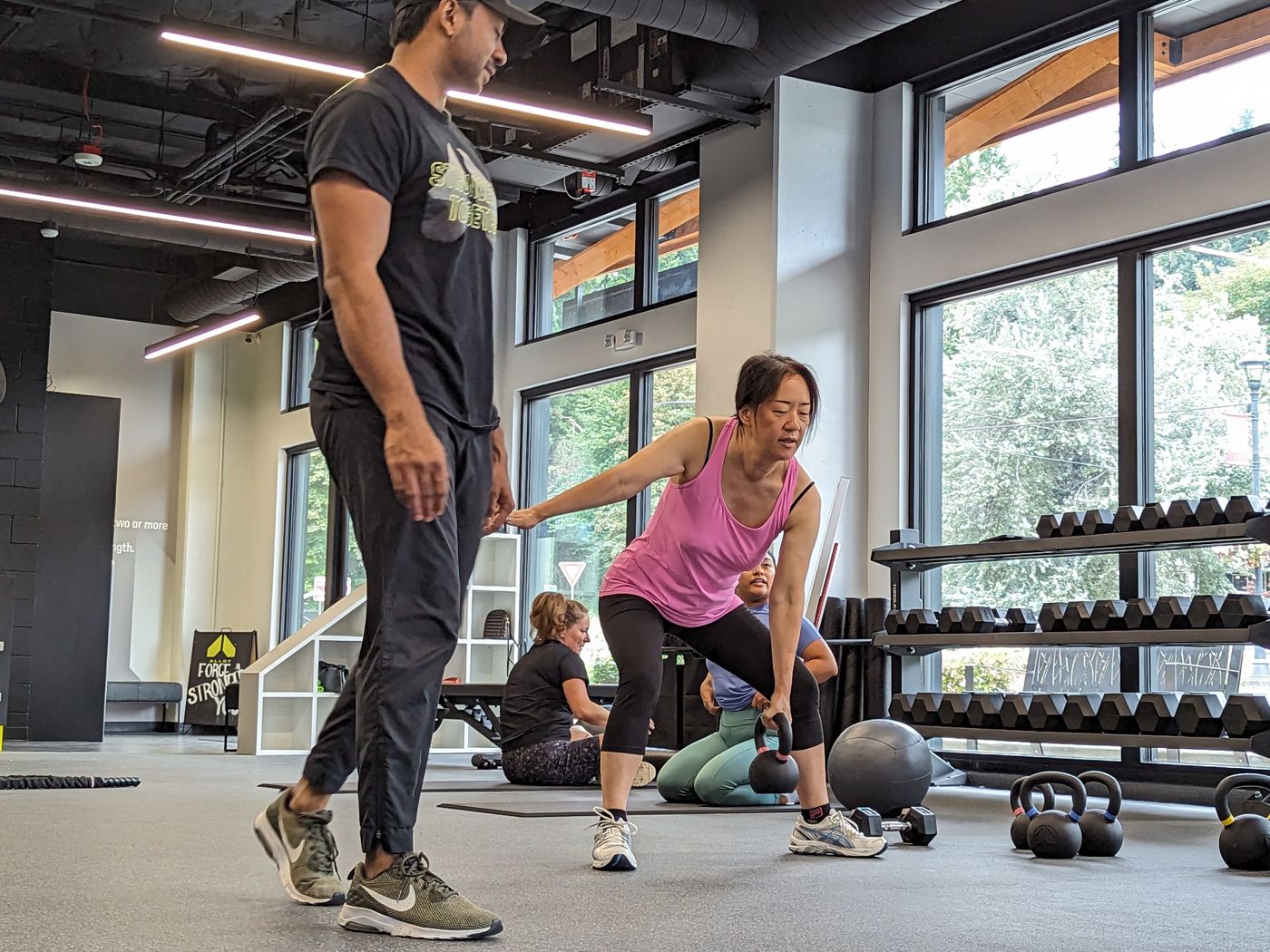
No. It isn't too late at 60, and it isn't too late at 70 or 80 either. Your muscles still respond to strength training at every age we coach. Progress is slower than it was at 25, but it is real, and you feel it first in everyday life: stairs, grocery bags, getting up from a low chair.
What happens to muscle as you age
Muscle loss with age has a name: sarcopenia. According to Cleveland Clinic, you gradually begin losing muscle mass and strength in your 30s or 40s, and the process picks up between the ages of 65 and 80, when you may lose as much as 8% of your muscle mass each decade.
Harvard Health puts it this way for men: after age 30, they can lose as much as 3% to 5% of their muscle mass per decade. Less muscle means more weakness and less mobility, which may raise the risk of falls and fractures.
That sounds gloomy. Here's the important part: the decline is common, but it isn't fixed. What you do about it matters.
Why it's not too late
Strength training is how you push back. The National Strength and Conditioning Association calls resistance training for older adults "a powerful intervention to combat the loss of muscle strength and muscle mass."
- You can rebuild strength. Cleveland Clinic notes that resistance training can help you rebuild muscle and improve your strength, and that the right exercise and nutrition plan can slow muscle loss.
- You can keep doing your day-to-day activities. The CDC says physical activity helps your muscles grow stronger so you can keep doing your daily tasks without becoming dependent on others.
- Your balance and bones benefit too. Mayo Clinic says strength training can improve physical function, support balance and lower the risk of falls. By stressing your bones, it also protects bone health and may lower the risk of osteoporosis.
In the Harvard Health article, Dr. Thomas W. Storer says it is never too late to rebuild muscle and maintain it. The catch: it takes dedication and a plan.
How much is enough?
Less than most people think. For adults 65 and older, the CDC recommends:
- At least 2 days a week of muscle-strengthening activities that work all the major muscle groups: legs, hips, back, abdomen, chest, shoulders and arms.
- At least 150 minutes a week of moderate-intensity aerobic activity.
- Activities that improve balance.
Mayo Clinic suggests choosing a weight or resistance level heavy enough to tire your muscles after about 12 to 15 repetitions. As you get stronger, you gradually ask a little more of your muscles. Harvard Health calls this progressive resistance training, one of the best ways to build muscle mass.
Eat to support the work
Training is the signal; food is the building material. Harvard Health notes that research suggests older adults need more dietary protein, which the body uses to build muscle. Cleveland Clinic suggests aiming for 20 to 35 grams of protein per meal. If you have kidney disease or your doctor has limited your protein, follow their advice first.
How we coach this in Woodinville
At Alloy Woodinville we coach adults from their 40s into their 80s. Here's how we start:
- An assessment first. Your free Starting Point Session is an hour with Maddie, our Director of Training. You'll talk through goals, nutrition and any injuries, then do an InBody scan and a movement assessment.
- A program written for you. In small group personal training, one coach works with no more than six people, and everyone follows their own program.
- A coach watching every set. Every exercise has an easier and a harder version, so a cranky knee or shoulder means a different exercise, not sitting out.
- Nutrition guidance included. Your membership includes nutrition guidance and InBody scans, so you can track muscle, not just weight.
Sessions are 45 minutes, and memberships cover one, two or three sessions a week.
Common questions
I've never lifted weights. Is 60 too old to start?
No. The CDC's muscle-strengthening recommendation is for all adults 65 and older. Beginners start with light weights and simple movements, then build.
Will lifting weights hurt my joints?
Done with good form and the right load, it can help. Mayo Clinic says strength training may help reduce joint pain and improve symptoms or function in some chronic conditions. If an exercise hurts, stop, and ask for a different version. If you have a joint condition, check with your doctor before you start.
How often do I need to train?
The CDC recommends muscle-strengthening activities on at least 2 days a week. Rest days between sessions are part of the plan, so you don't need to train every day.
Sources
- Older Adult Activity: An Overview — Centers for Disease Control and Prevention
- Sarcopenia (Muscle Loss): Symptoms & Causes — Cleveland Clinic
- Declining muscle mass is part of aging, but not inevitable — Harvard Health Publishing
- Strength training: Get stronger, leaner, healthier — Mayo Clinic
- NSCA Releases Position Statement on Resistance Training for Older Adults — National Strength and Conditioning Association
This article is general information, not medical advice. If you have a heart condition, recent surgery or other health concerns, check with your doctor before starting a new exercise program.